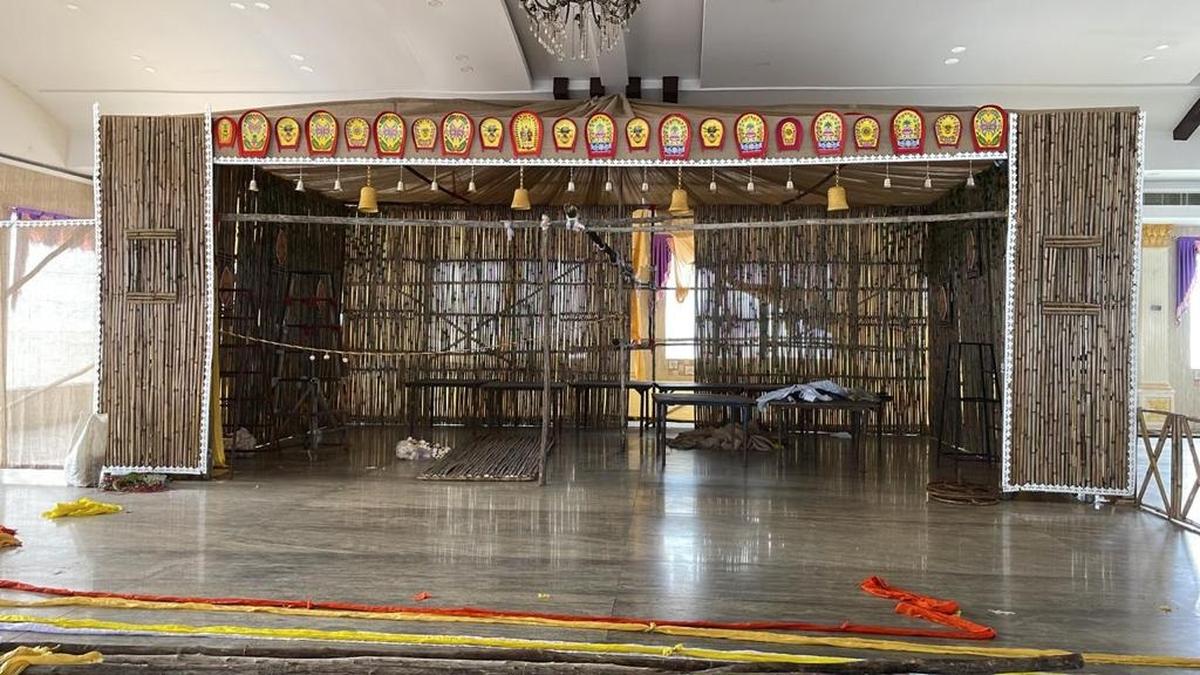
Durga Puja Is Over, But the People Behind the Magic Stay With Us 🌺
Ma chole gechhen. The lights are coming down, the pandals are getting empty, and life is slowly going back to normal. But have we ever stopped to think about the people who made those few magical days possible?
There is something strange about the days after Durga Puja.
Just a few days ago, the streets were full of people. Every para had its own pandal, the dhak was echoing everywhere, and the nights seemed to have no end. Friends were making plans, families were going out together, and nobody really wanted to go home.
And now, suddenly, everything feels a little quiet.
The lights are being switched off. The pandals that we spent hours admiring are slowly disappearing. The familiar sound of the dhak is fading away, and we’re back to our regular routines work, studies, traffic, and the usual worries.
Pujo shesh. Abar ekta bochhorer opekkha.
But while we’re busy missing the festival, there’s something I’ve been thinking about. We talk a lot about the beautiful idols, the stunning pandals, the food, the adda, and the late-night pandal hopping. We share photographs, make Reels, and tell everyone which pandal was our favourite.
But how often do we think about the people who worked day and night to make all of it happen?
The people whose hard work we admire for a few minutes, photograph, and then move on from.
Maybe they deserve a little attention too.
The hands that bring Ma home
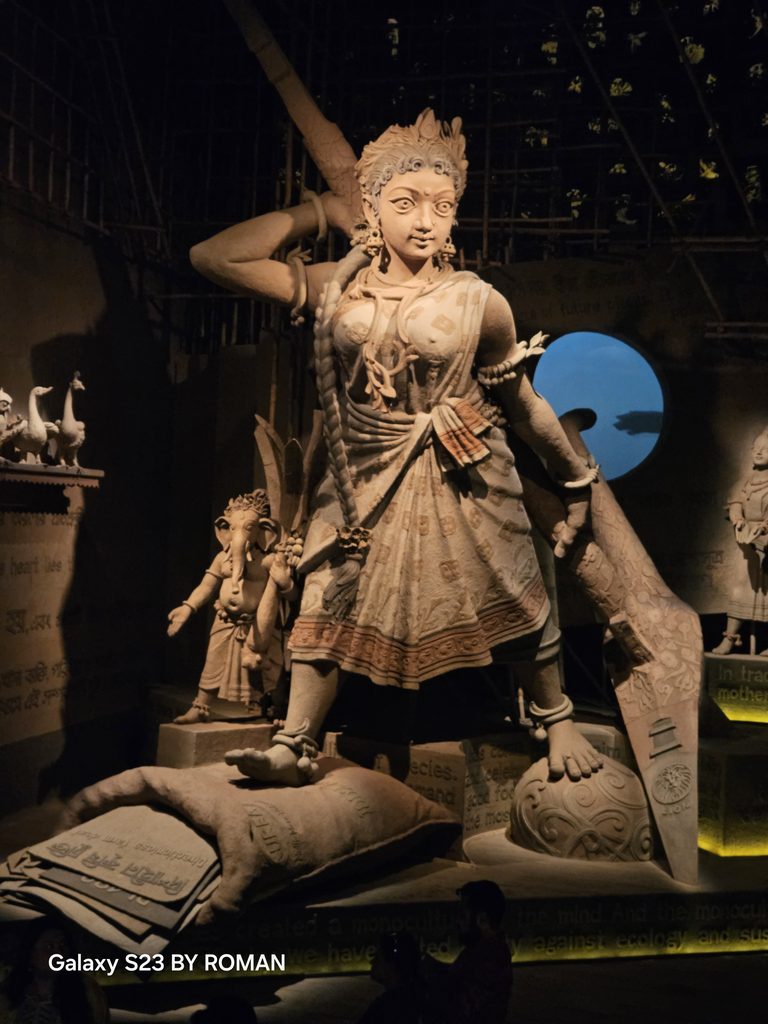
Whenever we hear the name Kumartuli, we think of Durga idols. But behind every beautiful idol is a long, demanding process that starts long before Pujo begins.
For the artisans, the festival doesn’t suddenly arrive with Mahalaya. Their work begins much earlier, with clay, straw, bamboo structures, layers of soil, careful shaping, and countless small details that most of us never notice.
Creating an idol isn’t simply a matter of making a beautiful face. Every expression, every finger, every decoration takes patience and skill. And when deadlines get closer, the pressure becomes even greater.
While we’re counting the days until Pujo, many artisans are counting the hours they have left to finish their work.
Imagine spending months creating something that people will admire for a few days before it becomes part of the immersion rituals. There’s something deeply moving about that.
The idol may eventually return to the river, but the artist’s skill doesn’t disappear with it. It lives on in every person who stood in front of that idol and felt something they couldn’t quite explain.
And Kumartuli’s story isn’t only about tradition. Women idol-makers have also been building their place in a field long dominated by men, showing that this craft continues to change with the times.
We often say, “Ma eshe gechhen!” Ma has arrived.
But behind that arrival are months of effort from people whose names many visitors may never know.
That sound of the dhak we’ll miss
Is Durga Puja really complete without the sound of the dhak?
For me, it’s difficult to imagine Pujo without it. The moment the dhak starts playing, something changes. Even an ordinary street begins to feel different. During Dhunuchi Naach, the beats seem to pull everyone into the moment.
But behind that familiar sound is a dhaki who has travelled, practised, prepared, and worked to be part of the celebration.
They bring energy to the pandal when the crowd is tired. They keep the rhythm alive during rituals. And sometimes, their music becomes the memory we carry home long after the lights are gone.
We may remember the song playing in a pandal or the photograph we took during Sandhya Aarti. But the beat of the dhak often stays somewhere deeper.
This year, when you hear a dhak playing again, take a moment to appreciate the person holding it. That sound is part of our culture, but it’s also someone’s profession, dedication, and livelihood.
Pujor anondo shobar, kintu ei anondo toiri korar porishromtao mone rakha uchit.
The pandal we photographed didn’t build itself
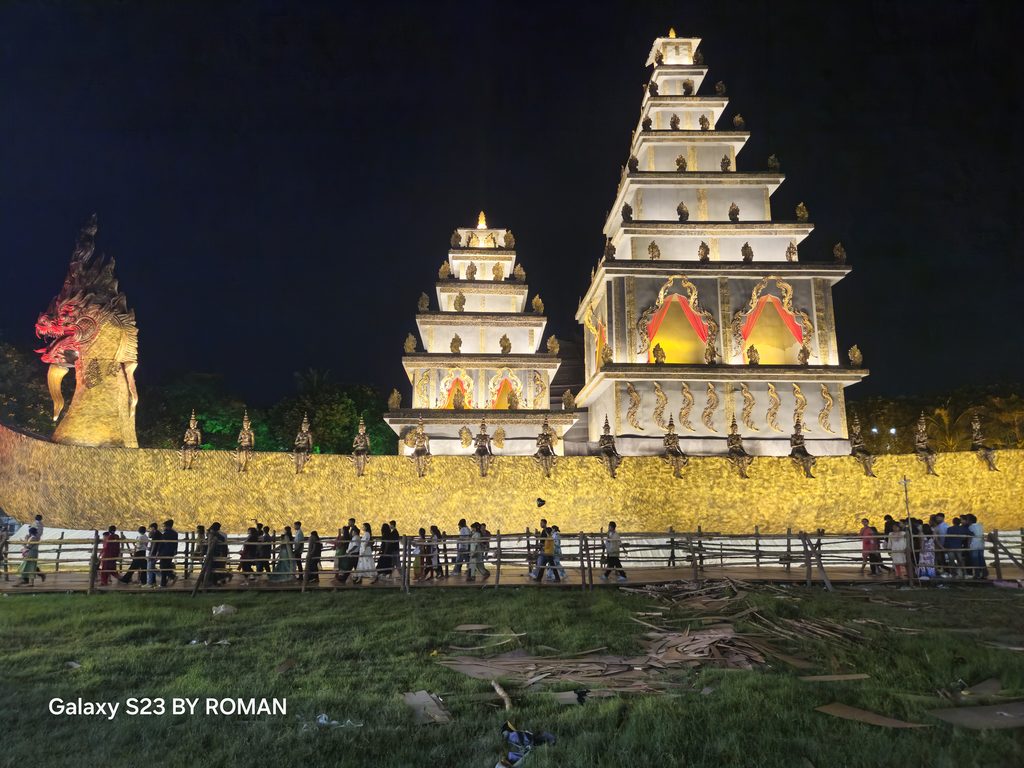
Let’s be honest. We all have that one pandal we keep talking about after Pujo. Maybe it had an extraordinary theme, beautiful lighting, or a design that made us stop and stare.
We take out our phones, find the perfect angle, click a few pictures, and post them online.
But before the first visitor arrives, there are carpenters, electricians, painters, decorators, designers, transport workers, and many others working behind the scenes. They measure, cut, carry, paint, fix, and rebuild until everything looks just right.
Sometimes they work late into the night. Sometimes a last-minute problem means doing a job all over again. And while we’re getting ready for a night of pandal hopping, they’re trying to finish the final details before the crowd arrives.
The beautiful pandal we see for a few minutes may represent weeks or months of planning and hard work.
And then comes immersion, followed by dismantling.
The structure comes down, the materials are cleared, and the space slowly returns to what it was before. For visitors, it’s the end of a wonderful festival. For the people who built it, it’s the end of another demanding project.
Next year, we’ll probably admire a completely different design. Yet the people behind it will once again have to start from scratch.
Perhaps the next time we share a picture of a pandal, we can remember that the beauty in the frame didn’t appear by magic. People created it.
The people we see but rarely notice
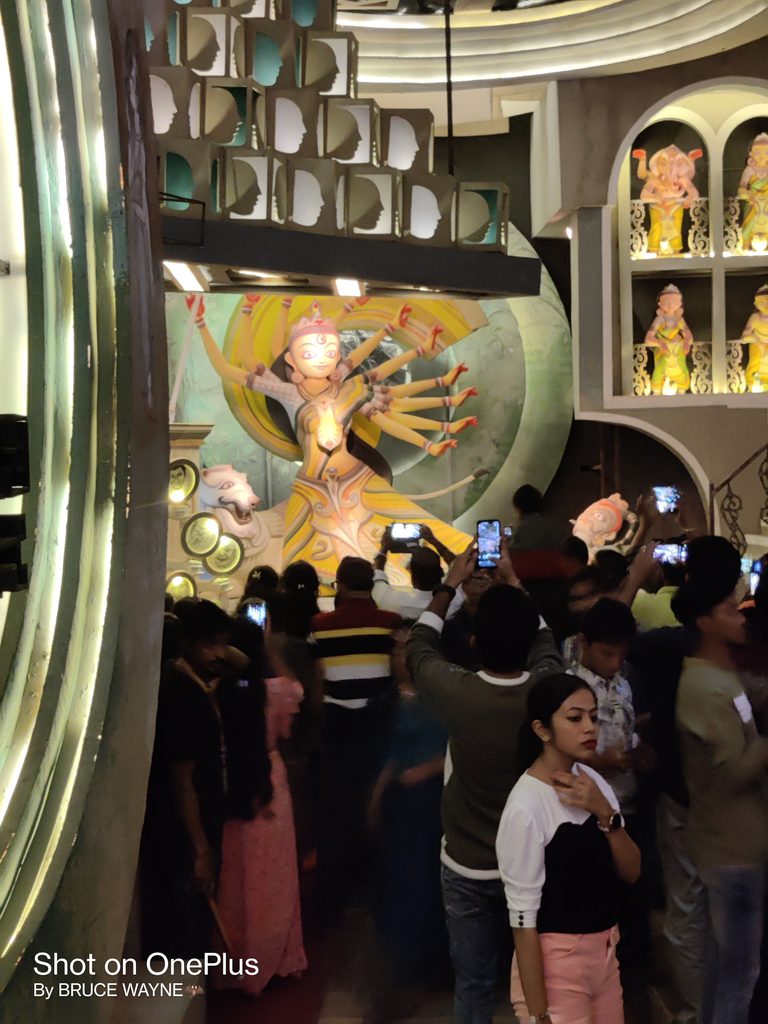
There’s another side of Pujo that doesn’t always make it into our photographs.
The person selling phuchka at the corner. The tea seller serving people late at night. The flower seller preparing garlands. The volunteers guiding crowds. The cleaners trying to keep the streets manageable. The people arranging water, food, electricity, transport, and countless other essentials.
For many of them, Pujo is not just a holiday. It’s one of the busiest periods of the year, and the income they earn can matter long after the festival is over.
We enjoy the freedom to wander around, eat whatever we like, and stay out late. But someone is working while we’re enjoying ourselves.
That doesn’t make our celebration any less special. It simply reminds us that a festival as large as Durga Puja depends on many people doing their part, often without recognition.
And honestly, appreciation doesn’t always have to mean a big gesture. Sometimes it can be as simple as being patient with a tired worker, keeping a place clean, treating vendors respectfully, or saying thank you.
Chhoto chhoto byapar. But they matter.
A festival that belongs to everyone
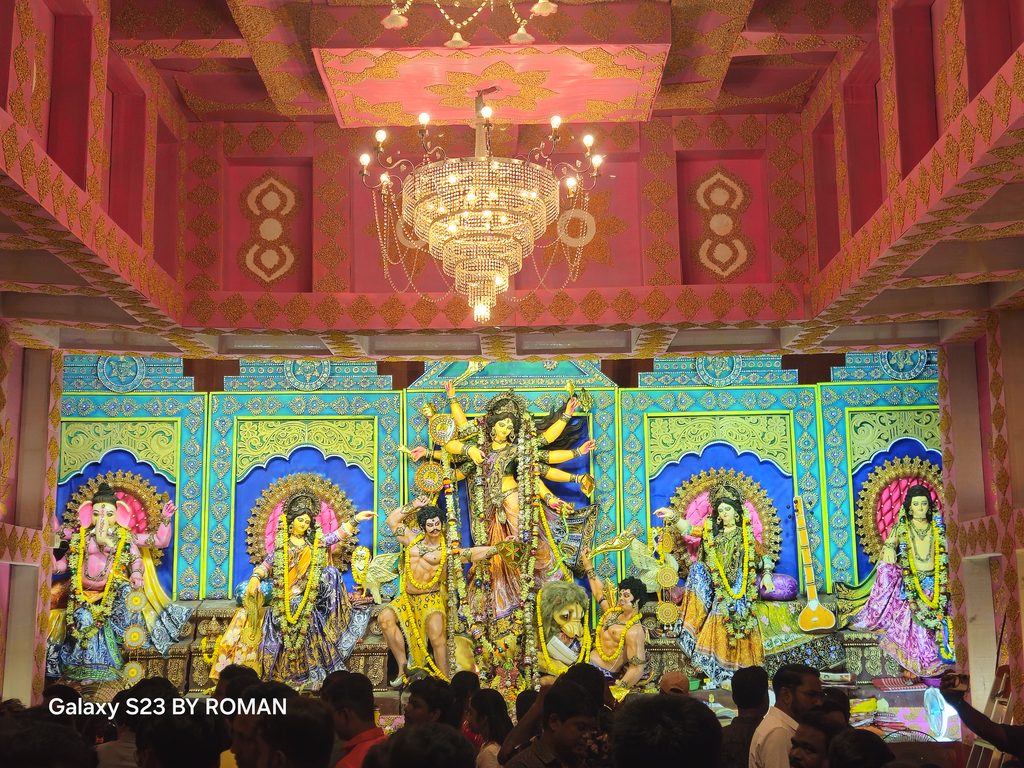
In 2021, UNESCO inscribed Durga Puja in Kolkata on its Representative List of the Intangible Cultural Heritage of Humanity. The recognition reflects the festival’s cultural importance, its creative traditions, and the community participation that brings it to life.
But we don’t really need an international recognition to understand why Pujo matters to us.
For some people, it’s about devotion. For others, it’s family, friendship, food, art, music, or the feeling of coming home. For many, it’s all of those things together.
That’s what makes Durga Puja special. It brings different people into the same streets and creates moments that belong to an entire community.
And the people who make those moments possible deserve to be part of the story we tell about the festival.
When we remember Pujo, let’s remember more than the biggest pandal, the best outfit, or the most viral photograph. Let’s remember the hands covered in clay, the dhaki carrying his instrument, the workers putting up decorations, and the countless people who kept everything moving while we enjoyed the celebration.
They are not separate from the magic of Pujo.
They are part of the magic.
Now that Ma has left…
Bijoya Dashami has passed, and the farewell rituals of October 21, 2026, are behind us. The city is gradually returning to its everyday rhythm.
We’ll pack away our new clothes. We’ll look through our Pujo photographs. We’ll upload the last few pictures, send messages to friends, and promise to meet again soon. And, sooner or later, someone will say what we’re all thinking:
“Ar ek bochhorer opekkha.”
Another year to wait.
But perhaps this year, along with the memories, we can carry something else with us a little more gratitude for the people whose work made our celebrations possible.
Because Durga Puja may last only a few days, but the effort behind it stretches across months. The pandals may come down, the idols may be immersed, and the festive lights may go dark. The skills, livelihoods, traditions, and human stories behind them continue.
Ma chole gechhen, kintu Pujor golpo ekhono shesh hoyni.
And when Ma returns next year, we’ll once again step out into the lights, hear the dhak, and feel that familiar excitement.
This time, maybe we’ll look a little closer at the people behind it all.
Shubho Bijoya to everyone — to those who celebrate, and to everyone who works so hard to make the celebration possible. ❤️
Leave a Reply